Shared purpose
Connect the ownership model to a clear reason for the company to endure—and make that reason understandable across roles.
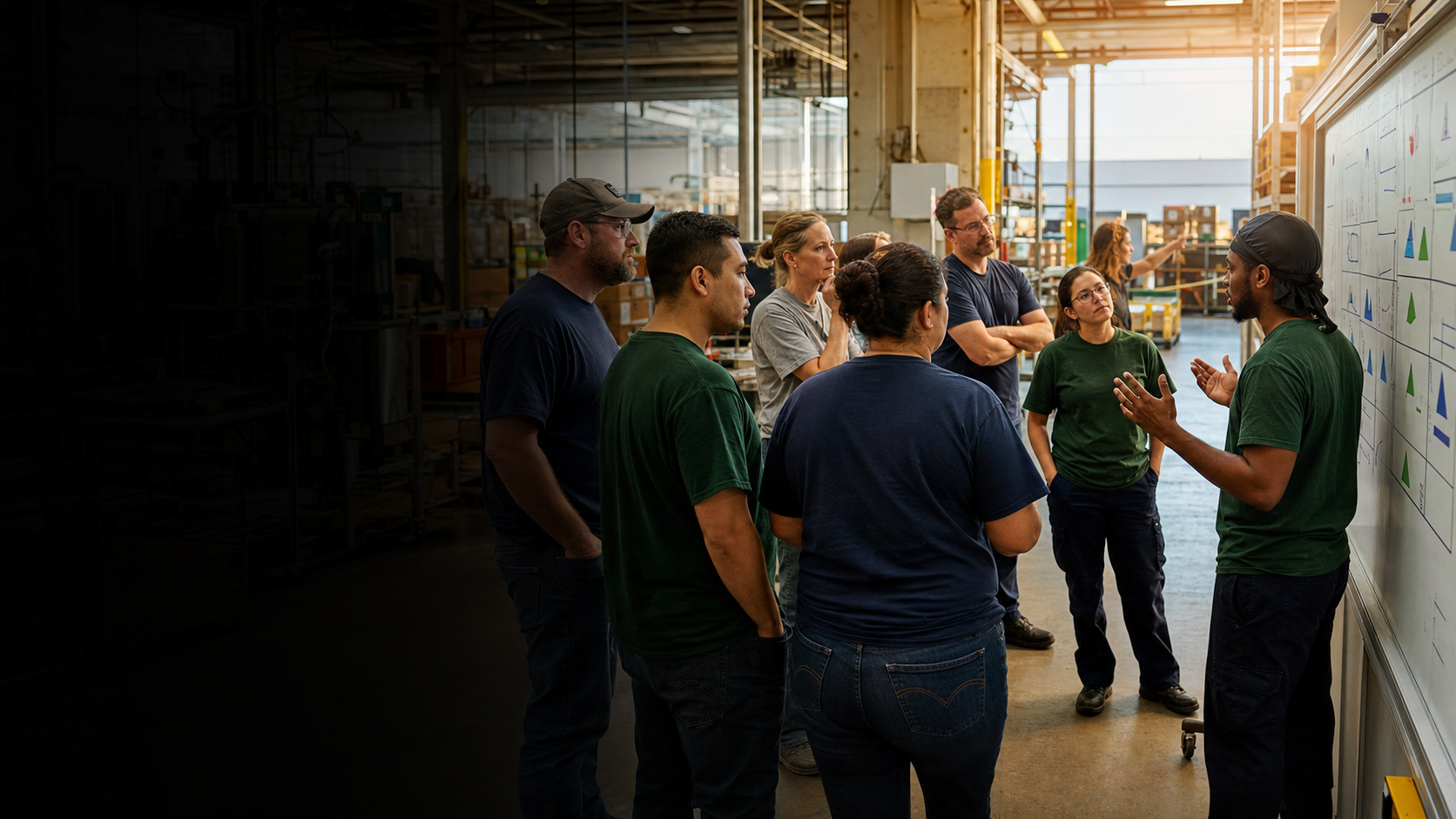
A company is more than its cap table
Employee ownership can connect the people doing the work with the long-term stewardship of the company. Explore the culture, participation, and transition questions that make ownership real in practice.
Ownership becomes visible in how people share context, decisions, and responsibility.
Ownership culture
A legal structure can establish economic participation. Culture determines whether people have the context, voice, and habits to practice stewardship together.
Connect the ownership model to a clear reason for the company to endure—and make that reason understandable across roles.
Create regular ways for people to learn the business, raise operating questions, and understand how decisions are made.
Treat quality, customer trust, cost, safety, and handoffs as shared stewardship—not somebody else’s scorecard.
Plan for leadership, knowledge, and founder transitions without assuming that any one structure fits every company.
Participation loop
Participation is not a suggestion box or a celebration theme. It is a repeatable operating practice.
Explain the business in plain language: what the company is trying to protect, improve, and build over time.
Give teams a credible route to surface what they see in production, logistics, customer work, and planning.
Show what was decided, who owns the next action, and how the team will learn from the result.
Ownership pathways
Which model fits the company’s purpose, stage, people, capital, and governance? These are starting points for informed exploration—not recommendations.
A qualified retirement-plan structure that can hold company stock for employees. Design, valuation, financing, governance, tax, and fiduciary questions require specialist advice.
A member-owned model that can pair economic participation with democratic governance. Rights and responsibilities depend on the governing documents and jurisdiction.
Options, grants, or purchase plans may broaden participation without making the company fully employee-owned. Terms, risk, liquidity, and tax treatment vary.
Some companies combine employee ownership with founder, management, or outside capital. The fit depends on goals, stage, financing, and governance.
From idea to practice
Clarify the continuity, participation, or succession question before choosing a structure.
Include production, warehouse, customer, finance, and leadership perspectives in the discovery.
Compare structures, tradeoffs, governance, financing, and employee communication with qualified advisers.
Pair any legal structure with ongoing ownership education, useful information, and clear decision rights.
A better first conversation
Use this guide to frame the culture and continuity questions, then bring company-specific legal, tax, valuation, financing, and fiduciary questions to qualified professionals.
Return to the principlesEmployeeOwned.org is an educational introduction for emerging brands, retailers, and operating teams. It does not provide legal, tax, investment, valuation, or fiduciary advice, and it does not promise financial or business outcomes.